One of the most common questions we hear at Pet Sprucez is some variation of: "How often does my dog actually need to come in?" The honest answer is that it depends entirely on your dog's breed, coat type, and how they live at home. But most owners are surprised to learn that the answer is usually more often than they thought.
This guide breaks grooming frequency down by coat type — which is a far more useful lens than breed alone, since coat types vary even within the same breed, especially among mixed-breed dogs.
Short-coated breeds
Dogs like Beagles, Boxers, Dalmatians, and Vizslas have short, dense coats that lie flat. These dogs are sometimes called "wash and wear," which is fair — they don't need complex cuts. But they do shed, often more than owners expect, and their skin still benefits from regular bathing. Aim for a professional bath and de-shed once every six to eight weeks. Between visits, a rubber grooming mitt two or three times per week keeps shedding manageable at home.
Medium double-coated breeds
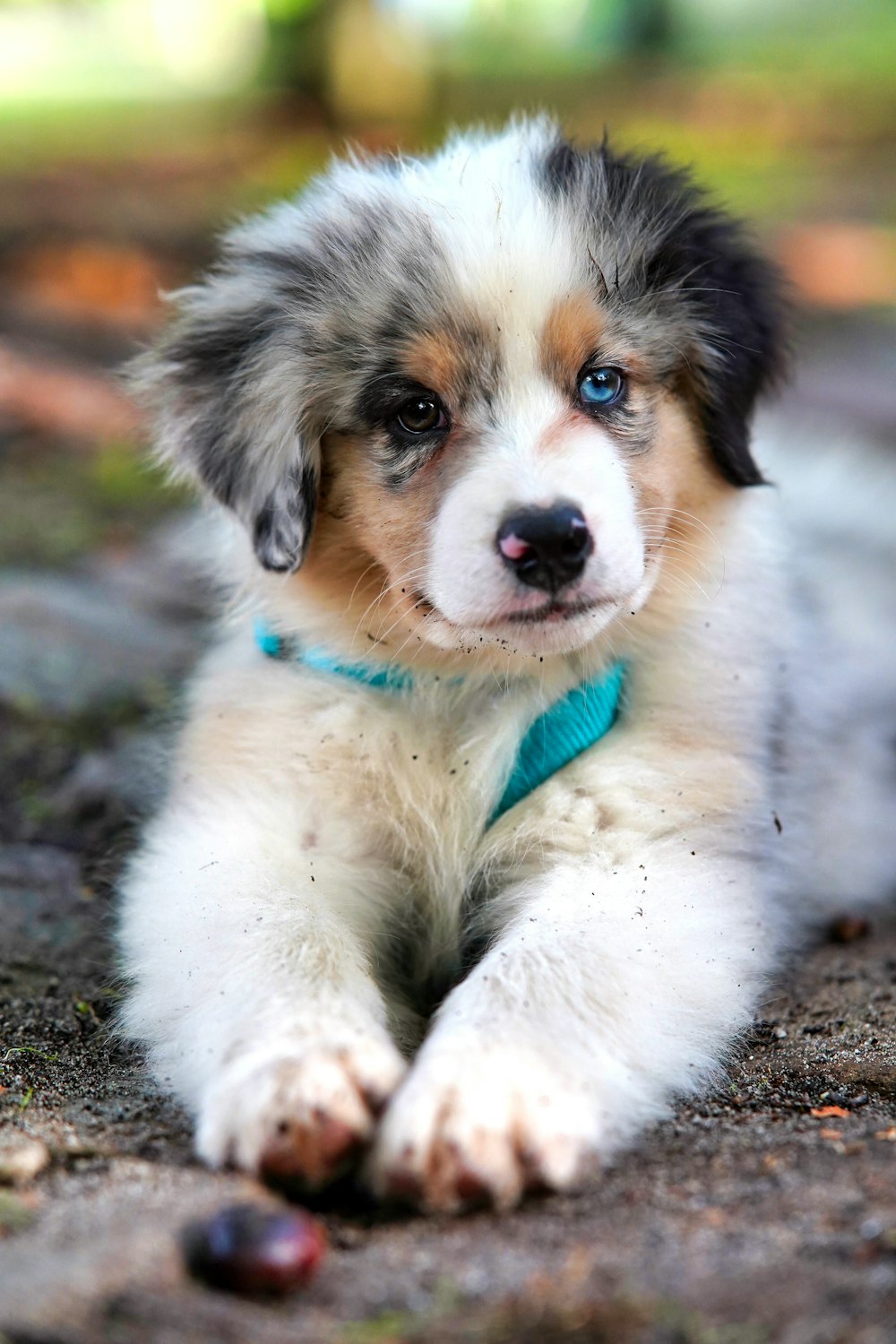
Golden Retrievers, Border Collies, and Australian Shepherds fall into this category. Their thick undercoats serve a real function — insulation and weather protection — but they also trap debris and shed seasonally in significant quantities. These dogs typically benefit from professional grooming every six to eight weeks, with extra de-shedding sessions during the spring and autumn coat blows.
Resist the temptation to shave these breeds in summer. Their double coat actually helps regulate temperature in both directions. Shaving can damage the coat structure permanently and leave the skin without its natural protection. Our team is always happy to explain the alternatives.
Curly and wavy coats
Poodles, Lagotto Romagnolos, Labradoodles, and similar breeds have coats that don't shed in the traditional sense — instead, old hairs become tangled with new growth, leading to mats if the coat isn't kept trimmed and brushed consistently. These dogs typically need a professional cut every four to six weeks, depending on how short you keep the coat. Daily brushing at home is not optional for this group — it's the difference between an easy grooming session and a difficult mat-removal appointment.
Wire and rough coats
Wire-coated breeds — Wirehaired Fox Terriers, Welsh Terriers, various Schnauzers — have a coarser outer layer designed to repel dirt and water. Traditional grooming for these dogs involves hand-stripping, a technique that removes dead outer coat by hand rather than clipping it. Stripped coats maintain their texture and natural coloration in a way that clipped wire coats cannot. These dogs generally need stripping two to four times per year, with tidying maintenance in between.
Long, silky coats
Yorkshire Terriers, Maltese, Shih Tzus, and similar breeds carry coats that grow continuously and require the most consistent attention. If kept in a long style, these dogs need professional grooming every four to six weeks and daily brushing without exception. Many owners opt for a shorter "puppy cut" that's easier to maintain — still beautiful, and much more practical for active dogs or busy households.
A note on home maintenance between visits
Professional grooming is only part of the picture. What you do at home between appointments has a direct impact on your pet's coat health and on how comfortable they are when they come in. Ask your groomer to show you the right brushing technique for your specific dog — it's one of the most valuable five minutes you can spend in the salon.
At Pet Sprucez, we include a brief home-care consultation with every session. If you'd like a more thorough walkthrough, we also offer dedicated 30-minute consultations at no extra charge.